Part-Time F&B Jobs in Singapore: A Practical Guide for Students and Side-Hustlers
Part-time work in Singapore’s food and beverage (F&B) industry is one of the fastest ways to start earning: short hiring lead times, flexible shifts, and no degree requirements for most roles. Whether you are a student, between jobs, or just want extra income, you can often start a part-time F&B job within a week of applying.
Before you send applications, it helps to know what these roles involve, how pay works, and whether the hours fit your life.
Key Takeaways
- You can choose from many part-time F&B roles in Singapore, including service crew, kitchen support, café work, banquet shifts, and fast food.
- Hourly pay usually ranges from about S$9 to S$16, with higher rates at hotels, banquets, and weekend or public holiday shifts.
- Most roles focus on evenings and weekends, so part-time F&B work can fit around school, freelance projects, or a day job.
- You rarely need prior experience, but you do need reliability, the right attitude, and clear communication about your availability.
- Part-time F&B jobs build useful skills and real career options, including paths into full-time roles, supervisory posts, and management.
- Part-timers in Singapore still have legal protections, such as written contracts, pro-rated public holiday pay, and, in many cases, CPF contributions for Singapore Citizens and PRs.
What Part-Time F&B Jobs Are Available?

“Part-time F&B jobs” covers many roles and settings. The right choice depends on what you enjoy and when you can work.
The most common options include:
-
Service Crew (Front-Of-House)
You take orders, serve food and drinks, clear tables, handle payments, and keep the dining area running smoothly. Part-time service crew roles are common in cafés, restaurants, hotel dining rooms, and food courts, especially for lunch, dinner, and weekends. -
Kitchen Assistants And Prep Crew
You handle washing, basic food preparation, simple cooking tasks, plating, and cleaning. There is less direct customer contact, which suits people who prefer a back-of-house environment. Shifts can start early for breakfast outlets or end late at supper spots and bar kitchens. -
Baristas And Café Counter Staff
You prepare coffee and other drinks, handle takeaway orders, work the counter, and do simple food preparation. Some outlets expect basic barista skills; many will train part-timers who show interest and stay for a while. -
Cashiers, Hosts, And Reception Staff
In larger restaurants and hotels, you may seat guests, manage waiting lists, answer questions, and run payment counters. These jobs suit people who are comfortable talking to customers and prefer a more stationary point-of-sale or host stand. -
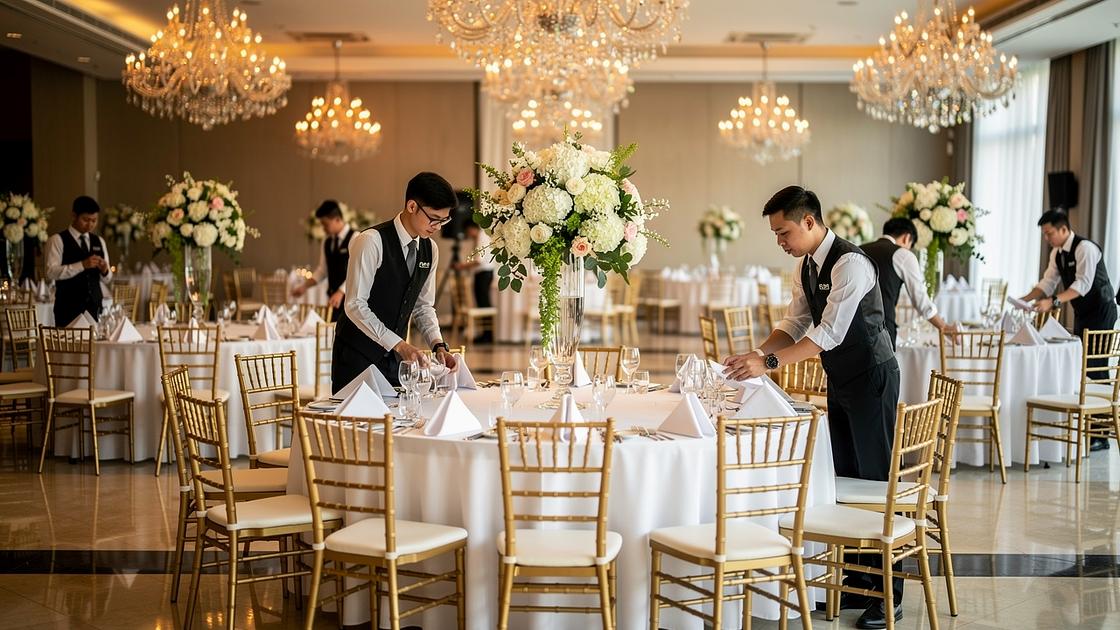
Banquet And Event Crew
Hotels and catering companies hire part-time staff for weddings, corporate dinners, and other functions. Shifts are usually long and tied to events (often afternoons into late nights), and hourly pay tends to sit on the higher end. Workloads jump up on big event days and may drop in quieter weeks. -
Fast Food And Quick Service Restaurants (QSR)
QSR outlets hire part-timers constantly. You rotate between cashiering, food preparation, cleaning, and customer service. Pay is typically on the lower end of the range, but training is structured and progression paths are clear, so this is a good first F&B job.
You may also see more specialised part-time roles such as:
- Room Service Runners in hotels
- Barbacks who restock and clean for bartenders
- Dishwashers (Stewards) who keep plates, cutlery, and tools moving
These jobs are less visible to customers but very important, and they often come with more predictable shift patterns.
What Do Part-Time F&B Jobs Pay In Singapore?

Hourly rates for part-time F&B jobs in Singapore usually range from around S$9 to S$16, depending on the role, outlet type, hours, and whether you work weekends or public holidays.
Here is a rough guide:
Role / Setting |
Typical Hourly Rate |
|---|---|
Fast food / QSR |
S$9 – S$11 |
Hawker / food court |
S$9 – S$12 |
Café / casual restaurant |
S$11 – S$14 |
Banquet / event crew |
S$12 – S$16 |
Hotel dining (part-time) |
S$13 – S$16 |
These are general ranges. Actual pay depends on experience, shift timing, and how urgently the outlet needs staff.
A few details matter when you compare offers:
Public Holiday Rates
For employees covered under the Employment Act, work on public holidays usually comes with an extra day’s pay or a replacement off day. Some employers build this into a higher hourly rate. Always ask how public holidays are paid.
Weekend And Late-Night Pay
Many outlets pay more for weekend, late-night, or overnight shifts, either as a higher hourly rate or a fixed allowance per shift.
Ad-Hoc Vs. Regular Shifts
Some part-time arrangements are fully ad-hoc: you get messages about available shifts and decide whether to accept. Others have a fixed number of hours per week. If you need stable income, look for roles that promise a minimum number of hours.
Service Charge And Tips
In hotels and some full-service restaurants, service charge is shared with staff. Part-timers are sometimes included, which can raise your effective hourly pay, especially in busy outlets. Ask whether part-time staff share in service charge or tips.
Meals And Other Benefits
Many employers provide:
- Staff meals or a meal allowance
- Uniforms and laundry service
- Night transport allowance for late shifts
These benefits matter, especially if base pay is near the lower end of the scale.
Who Part-Time F&B Work Suits (And Who It Does Not)
Part-time F&B work offers real flexibility, but the demands are not a good match for everyone.
It suits you if you are:
- A Student who wants to earn during evenings, weekends, and holidays, without committing to full-time hours. Many F&B employers are used to exam seasons and can adjust rosters if you give enough notice.
- A Career-Switcher Or Returnee who wants to re-enter work gently, or test whether hospitality suits you before taking a full-time job.
- A Side-Hustler Or Freelancer who needs steady side income to balance project work or gigs, and likes the structure of fixed shifts.
- A Retiree Or Senior who wants to stay active, meet people, and add supplementary income. Many employers welcome mature staff, especially in roles where reliability and customer service matter more than speed.
You may struggle with part-time F&B jobs if:
- You Need Guaranteed Full-Time Income. Shift numbers can change week to week, especially in outlets that rely on ad-hoc staffing.
- You Have Difficulty Standing Or Lifting For Long Periods. Even short shifts can mean several hours on your feet, carrying trays or moving stock.
- Your Availability Is Very Narrow. If you can only work at times that do not match peak hours (such as weekday mid-mornings), your options shrink, as most outlets need staff for evenings, weekends, or main meal periods.
Shift Patterns And Schedules In Part-Time F&B Jobs

To make part-time F&B work fit your life, you need a basic sense of how shifts are organised.
Common Shift Types
You often see:
- Breakfast Shifts: roughly 6 am–11 am, common in hotels, cafés, and fast food
- Lunch Shifts: around 11 am–3 pm
- Dinner Shifts: roughly 5 pm–10 pm or closing
- Split Shifts: a few hours for lunch, a long break, then a few hours for dinner
- Event Shifts: long blocks tied to a banquet or function, often afternoons into late night
Outlets that serve alcohol or supper may run until midnight or later, especially on Fridays and Saturdays.
Fixed Roster Vs. Flexible Pick-Up
Different employers handle part-timers differently:
- Some give you a fixed weekly roster (for example, every Monday, Wednesday, and Friday dinner), which suits people with stable schedules.
- Others post open shifts in WhatsApp or Telegram groups or use platforms like Good Shift, where you pick the shifts you want. This suits people whose schedules change week to week.
When you are new, managers usually roster you alongside more experienced staff rather than leaving you to handle tricky stations alone.
How To Choose Shifts That Fit Your Life
Ask yourself:
- Are you better in the morning, afternoon, or night?
- Do you have classes, caregiving, or freelance work to work around?
- How late can you stay out, and do you have safe transport home after closing?
Be honest when you discuss this with hiring managers. Clear answers make it easier for them to roster you and keep offering you suitable shifts.
How To Find Part-Time F&B Jobs In Singapore

You now have many ways to find part-time F&B jobs. A mix of channels usually works best.
Start With F&B-Focused Job Platforms
General job boards carry part-time listings, but they are mixed with many non-hospitality roles. A platform focused on food, beverage, and hospitality — such as Good Shift — makes it easier to:
- Filter for part-time or ad-hoc shifts
- See shift times and locations clearly
- Shortlist outlets by cuisine, setting, or pay range
This reduces the time you spend scrolling through irrelevant jobs.
Walk In During Quiet Hours
For cafés, restaurants, and smaller chains, walking in can still work well. Go during a quiet time (late morning or mid-afternoon, not during lunch or dinner), ask politely if they are hiring part-timers, and bring:
- A simple resume
- A list of the days and times you can work
- Your contact details
If the manager is not around, leave your details and follow up after a few days.
Use School Channels And Social Groups
If you are a student, check:
- School job boards and career portals
- Telegram and WhatsApp groups used by your faculty or CCA
- Student-run social media channels that repost part-time F&B roles
Employers and agencies often post last-minute shifts here when they need help quickly.
Reply Quickly
Many part-time roles are filled within days or even hours. If a hiring manager messages or calls, try to reply on the same day so you do not lose the shift to someone else.
Tips For Landing A Part-Time F&B Role

Once you start applying, small details can help you stand out.
Be Clear About Your Availability
Skip vague terms like “flexible”. Instead, write specific time slots, such as:
- Monday, Wednesday, Friday: 6 pm–10 pm
- Saturday and Sunday: any time
This makes rostering easier and signals that you understand shift work.
Commit To What You Can Really Do
Do not promise you can work “any time” just to get hired. If you cancel or show up late, managers lose trust quickly. Start with a realistic number of shifts and add more once you are sure you can handle them.
Highlight Food Safety Training
If you have a WSQ Food Safety Level 1 (Basic Food Hygiene) certificate, put it near the top of your resume or profile. Many kitchen and café roles prefer or require it.
Keep Your Resume Short And Relevant
Focus on:
- Any F&B, retail, or customer-facing work
- Volunteer roles where you handled people, money, or events
- Skills such as speaking multiple languages or using POS systems
Tip: One clear page that shows when you worked, what you did, and when you can work now is far more useful to an F&B manager than a long, fancy resume.
Prepare For Simple Interviews
Many interviews are quick chats, short video calls, or brief forms. To leave a good impression:
- Dress neatly and arrive on time
- Make eye contact and speak clearly
- Show that you are willing to learn and stay at least a few months
Attitude, reliability, and hygiene matter more than perfect service skills at the start.
Ask Practical Questions Before You Say Yes
Clarify:
- How shifts are scheduled and how much notice you get
- Whether there is a minimum number of hours per week
- How and when pay is made (weekly, bi-weekly, or monthly)
- Whether training and trial shifts are paid
- Whether part-timers share in service charge or tips
Treat Trial Shifts Like A Real First Day
Trial shifts are often the final step before hiring. Arrive early, wear covered non-slip shoes, listen carefully, stay active, and ask short questions when unsure. Managers pay close attention to effort, attitude, and hygiene.
Skills And Career Growth From Part-Time F&B Jobs
Part-time F&B jobs are often seen as short-term work, but they can support a longer career if you want one — recent multidisciplinary research highlights how flexible and part-time employment builds transferable competencies that strengthen long-term employability.
Skills You Build On The Job
You can gain:
- Customer Service: taking orders, handling complaints, staying calm with demanding guests
- Teamwork: coordinating with kitchen, bar, and floor staff during busy periods
- Time Management: handling several tables or tasks at once
- Attention To Detail: checking orders, payments, and food safety steps
- Communication: passing clear messages between front and back of house
These skills carry over into retail, events, corporate hospitality, and many office roles.
Pathways From Part-Time To Full-Time
If you stay with one employer and perform well, you may move from part-time into:
- Full-time service or kitchen roles
- Senior service roles such as captain or supervisor
- Outlet-level roles like shift leader or assistant manager
Larger groups and hotels may offer internal training programmes. If you are interested, tell your manager and ask what they look for when promoting part-timers.
Using Part-Time F&B Experience On Your Resume
When you move on, describe your work in concrete terms, for example:
- “Handled up to 6 tables at once during peak dinner periods”
- “Trained new part-time staff on POS and basic service steps”
- “Helped set up buffets for corporate events of over 200 guests”
This helps future employers see your real responsibilities, not just job titles.
Your Rights And Protections In Part-Time F&B Jobs
Even if you work fewer hours, you still have legal protections in Singapore.
Written Contracts
If you work fewer than 35 hours a week, you are covered under the Employment of Part-Time Employees Regulations under the Employment Act. You should receive a written contract that states:
- Your basic hourly rate
- Your normal working hours and days
- How overtime, rest days, and public holidays are handled
- Any allowances or benefits
Ask for clarification in writing if anything is unclear.
Reminder: Keep copies of your contract, rosters, and pay slips. They are useful if you ever need to check your rights or raise a pay issue.
Public Holidays, Leave, And Rest Days
Part-time employees covered by the Act are entitled to:
- Pro-rated public holiday benefits
- Pro-rated annual leave if you work regularly
- Weekly rest days, based on how many days you usually work
When in doubt, refer to the Ministry of Manpower (MOM) website or ask HR to explain how they calculated your entitlements.
CPF And Other Statutory Protections
If you are a Singapore Citizen or Permanent Resident, your employer generally has to contribute CPF based on your wages, even for part-time roles. You may also be covered under the Work Injury Compensation Act when you meet its conditions, which matters in F&B where slips, cuts, and burns can occur.
If you face issues such as unpaid wages, being made to do unpaid trials you did not agree to, or being asked to pay for uniforms without notice, you can seek advice from MOM or relevant unions and associations.
How Employers Benefit From Part-Time F&B Staff (And What That Means For You)
From the employer’s point of view, part-time staff give them flexibility to:
- Add more people during lunch, dinner, weekends, and festive seasons
- Cover last-minute sick leave or special events
- Bring in experienced banquet or event crew only when needed
For you as a job seeker, this means:
- A steady flow of openings, especially around holidays and busy seasons
- Chances to try different outlets and concepts before settling into a longer-term role
- More calls for extra shifts when managers know you are reliable and responsive
If you show up on time, handle busy periods calmly, and say yes to peak shifts when you can, managers are far more likely to keep you on their first-call list.
FAQs
Do You Need Experience To Get A Part-Time F&B Job In Singapore?
Not usually. Most entry-level roles — service crew, kitchen assistant, café counter staff, and fast food crew — do not require prior experience. Employers train you on menus, POS systems, and basic hygiene. What matters most is that you turn up on time, follow instructions, and stay long enough for training to be worthwhile.
Can International Students On A Student Pass Work Part-Time?
International students on a Student Pass from an approved Singapore Institute of Higher Learning (such as NUS, NTU, SMU, SUTD, SIT, SIM GE, and the polytechnics) may be allowed to work up to 16 hours per week during term time, and full-time during vacations, under certain conditions.
Always check your school’s latest rules, confirm any limits on work hours or job type, and make sure your employer understands these before you commit.
Can You Work Part-Time F&B While Receiving ComCare Or Other Social Assistance?
It depends on your specific scheme and income level. Working may change the support you receive. If you are on ComCare or another form of assistance:
- Speak with your social worker
- Check with the relevant agency (such as MSF)
- Share your expected hours and pay
Getting advice early helps you avoid surprises later.
How Fast Can You Start After Applying?
Faster than in many other sectors. For straightforward part-time F&B jobs, you can often:
- Apply early in the week
- Interview or attend a trial shift within a few days
- Start work within the same or following week once documents are ready
Delays usually come from missing paperwork, unclear availability, or slow responses.
Are Part-Time F&B Jobs Covered By The Employment Act?
Yes. Part-time employees who usually work fewer than 35 hours per week are covered by the Employment of Part-Time Employees Regulations under the Employment Act, as long as they meet the standard conditions for employees. This gives you rights to:
- Written key employment terms
- Itemised pay slips
- Pro-rated public holiday pay and leave (when you meet the criteria)
- Rest days based on your pattern of work
Your employer should explain how these rules apply to you.
Do You Need A Food Hygiene Certificate For Part-Time F&B Jobs?
Many basic service crew roles do not strictly require a food hygiene certificate. However, it is strongly preferred for:
- Kitchen-based roles
- Hawker and food court stalls
- Jobs where you handle unpackaged food directly
Some employers sponsor the WSQ Food Safety Level 1 course after you join; others ask you to complete it before starting kitchen work.
Can A Part-Time F&B Job Lead To A Full-Time Career?
Yes. Many supervisors, outlet managers, and hotel executives in Singapore started in part-time roles. To turn a part-time F&B job into a longer-term path:
- Show consistent attendance and effort
- Tell your manager you are interested in progressing
- Offer to learn extra stations once you are confident in your current tasks
When full-time roles open up, managers often look first at proven part-timers who already know the outlet and its guests.