Service Crew Jobs Singapore: What to Expect, What to Earn, and Where to Apply
Service crew is one of the most in-demand roles in Singapore's food and beverage industry — and one of the most misunderstood. If you’re typing “service crew jobs Singapore” into job sites and getting vague ads in return, you’re not alone. You want clear answers: what you’ll actually do, what the hours and pay really look like, and how to choose a role that’s worth your time.
This guide walks you through the reality of service crew jobs in Singapore: day-to-day work, salaries in 2026, job market demand, career growth, and how to apply with confidence.
What Does A Service Crew Member Do?

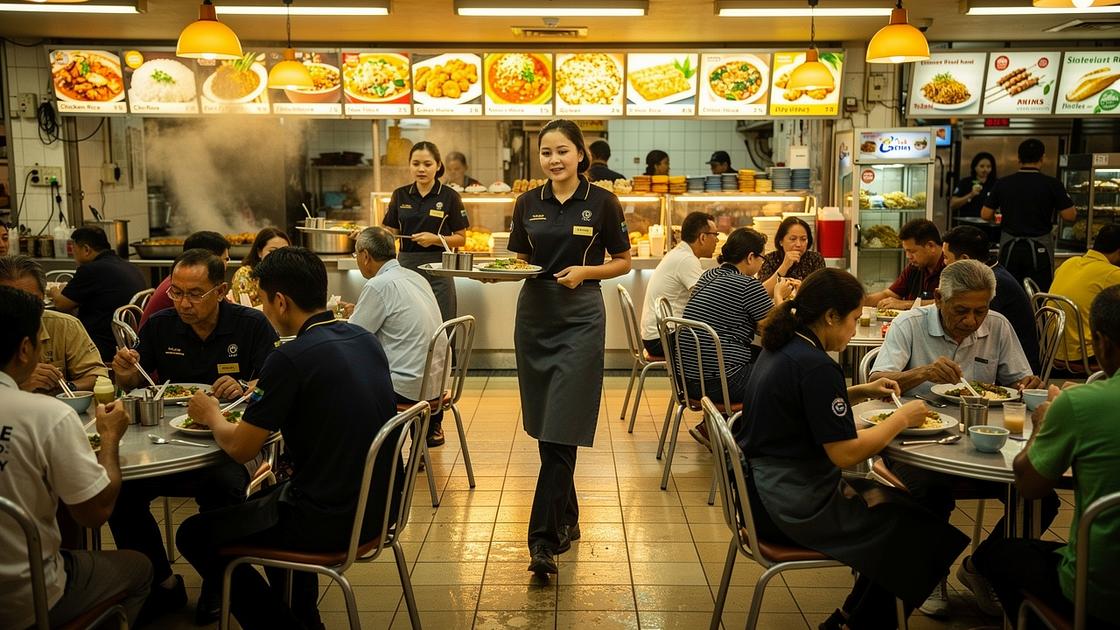
“Service crew” is a broad title that usually means front-of-house work in:
- Restaurants and cafés
- Hawker stalls and food courts
- Hotel dining rooms and bars
- Fast food outlets
- Casual concepts in malls and tourist areas
The details differ by venue, but the core work is similar. On most shifts you’ll do some mix of:
- Greeting and seating customers
- Taking orders (at the table, at the counter, or on a POS terminal)
- Serving food and drinks
- Handling payments and operating the cashier
- Clearing and resetting tables
- Keeping the dining area clean and tidy
- Answering questions about the menu and specials
In casual dining and café settings, you often work closely with the kitchen and bar. You may help with simple food prep (plating desserts, heating pastries) or drinks (pouring coffee, preparing basic beverages).
In hotel or fine dining environments, service is more structured. You’re usually assigned to a section, follow defined service steps, and are expected to know:
- Ingredients and allergens in each dish
- Recommended wine or drink pairings
- How to handle special requests and VIP guests
It’s fully customer-facing work. You’ll spend most of your shift on your feet, dealing with a mix of regulars, office crowds, tourists, and the occasional difficult table. If you like working with people and don’t mind a fast pace, service crew roles in Singapore can be a good fit.
“Good service is mostly about noticing small things before the guest has to ask,” says a Singapore café manager. “You learn that on the floor, not from a textbook.”
How Strong Is Demand For Service Crew Jobs In Singapore?
Service crew jobs in Singapore are consistently in demand. On major job platforms, it’s common to see large numbers of active listings for F&B and hospitality service roles at any one time.
A few key trends:
- Full-time roles dominate. Most listings are for permanent, full-time staff. Operators want stable teams they can train to their brand standards.
- Part-time and contract work exist, but are limited. There are fewer part-time and short-term contract listings, but they are common in busy districts, event spaces, and hotel banquets.
- On-site work is the norm. For F&B service crew jobs in Singapore, you need to be physically present at the outlet. Remote or hybrid options are reserved for corporate customer service roles, not restaurant floor staff.
- Entry-level friendly. A large share of openings are entry-level, especially in fast food, casual dining, and cafés. Employers expect to train you on the job.
For you, this means two things:
- If you’re reliable and willing to work shifts, you have real chances of finding work.
- You can be selective and focus on service crew jobs that match your schedule, pay expectations, and work style.
A hotel HR executive summed it up neatly: “If you turn up consistently and do the basics well, you’ll almost never run out of work in F&B.”
Full-Time Vs Part-Time Service Crew

Service crew roles in Singapore come in both full-time and part-time arrangements, and the distinction matters for your income, benefits, and lifestyle.
Here’s a quick comparison:
Aspect |
Full-Time Service Crew |
Part-Time Service Crew |
|---|---|---|
Weekly Hours |
Around 40–44 hours |
Varies (often 10–30 hours) |
Pay Structure |
Monthly salary (plus possible allowances) |
Hourly pay |
Benefits |
Annual leave, medical, staff perks (varies) |
Limited; sometimes staff meals or transport |
Schedule |
Rotating shifts, fixed rest days |
Specific shifts (lunch, dinner, weekends) |
Stability |
Higher income stability |
More flexibility, less stability |
Full-Time Service Crew
Full-time service crew typically work up to 44 hours a week across five or six days, depending on the employer. Most operators use rotating shifts, so you’ll cover a mix of:
- Opening shifts (early mornings)
- Mid shifts
- Closing shifts (late nights)
Your weekly rest day may not fall on weekends. Expect to work weekends and public holidays, because that’s when F&B is busiest.
As of 2026, monthly salaries for full-time service crew generally fall between S$2,000 and S$2,800, depending on:
- Outlet type (fast food vs hotel restaurant)
- Location (neighborhood mall vs central business district)
- Your experience and skills
- Whether there is service charge or sales incentives
Roles in hotels or established restaurant groups tend to pay at the higher end; small independent cafés or hawker stalls may pay below this range but sometimes offer free meals or more flexible schedules.
Part-Time Service Crew
Part-time service crew work on an hourly basis, usually for specific shifts:
- Lunch service
- Dinner service
- Weekends and public holidays
- Event-based or banquet work
Hourly rates in Singapore currently range from around S$9 to S$14 for typical F&B service roles, with:
- Fast food usually on the lower end
- Casual cafés and restaurants in the middle
- Hotels and premium venues on the higher end
Some operators offer a hybrid arrangement: a fixed number of guaranteed hours per week, with the option to take on extra shifts. This suits you if you want some security without committing to full-time hours.
When you compare service crew jobs in Singapore, look beyond the rate:
- Are meals provided?
- Is transport covered for late-night shifts?
- Is there overtime pay?
- Are there opportunities to convert to full-time if you want to?
Salary Guide: Service Crew Jobs In Singapore (2026)
Here’s a rough breakdown of what to expect across common outlet types in 2026:
Outlet Type |
Full-Time Monthly |
Part-Time Hourly |
|---|---|---|
Fast food / QSR |
S$1,800 – S$2,200 |
S$9 – S$11 |
Hawker / food court |
S$1,800 – S$2,400 |
S$9 – S$12 |
Casual café / restaurant |
S$2,000 – S$2,600 |
S$11 – S$14 |
Fine dining / hotel |
S$2,400 – S$3,000+ |
S$13 – S$16 |
A few details to keep in mind when you look at offers for service crew jobs in Singapore:
- Service charge: In hotels and some restaurants, a 10% service charge is added to the bill and shared with staff. This can add a few hundred dollars a month to your take-home pay.
- Allowances: Some employers pay extra for split shifts, late nights, or work on weekends and public holidays. Ask if those are on top of the basic salary.
- Bonuses and incentives: A small number of operators offer performance bonuses, sales incentives, or annual wage supplements.
When you review an offer, always ask:
- Is this basic pay only, or does it include service charge?
- How is service charge or tips distributed?
- What was the average total pay for staff in this role last month or last quarter?
What Do Employers Actually Look For?
Most service crew job ads in Singapore don’t ask for formal qualifications. What employers really care about is practical and straightforward.
Attitude Over Experience
For entry-level roles, a positive attitude and willingness to learn count more than prior F&B work. Most outlets will train you on:
- Their POS system
- Menu and allergens
- Service steps and standards
They mainly want someone who:
- Shows up on time
- Follows instructions
- Treats guests and coworkers with respect
As one restaurant supervisor told us: “I’d rather train a newcomer who smiles and listens than hire someone with years of experience but a bad attitude.”
Basic English And Communication
Singapore’s F&B industry serves locals, tourists, and expatriates. You don’t need perfect grammar, but you should be able to:
- Take and repeat orders clearly
- Explain basic menu items in English
- Handle simple questions and payments confidently
Knowing additional languages (Mandarin, Malay, Tamil, Japanese, Korean, etc.) is a plus, especially in tourist-heavy areas.
Food Hygiene Basics
Many employers — especially hotels, large restaurant groups, and licensed food operators — prefer candidates with a Basic Food Hygiene Certificate (WSQ Food Safety Level 1).
- It’s not always required for service crew, but it makes your application stronger.
- The course typically takes one day and often costs under S$30 for Singaporeans after subsidies.
Mention it clearly on your resume if you have it.
Availability
Availability matters more than most applicants realize. For service crew jobs in Singapore, operators plan rosters weeks in advance.
Be upfront about:
- Whether you can work weekends and public holidays
- Whether you’re open to rotating shifts
- Your earliest start date
If you can only do weekday evenings or weekend days, say so clearly and apply for roles that match that schedule.
Physical Readiness
Service crew work is physically demanding. Expect:
- Long periods of standing and walking
- Carrying trays and stacks of plates
- Moving quickly in tight spaces
Go in with clear expectations so you don’t burn out in your first month.
How To Write A Strong Service Crew Application
You don’t need a fancy CV to apply for most service crew jobs in Singapore, but a clear, focused application helps you stand out.
Be Specific About Availability
Instead of writing “flexible,” list the days and times you can actually work:
Monday–Friday: 5pm–10pm
Saturday & Sunday: Full day
Available to start from: 15 June 2026
This saves time for both you and the hiring manager.
Highlight Relevant Experience
List any experience that shows you can handle customers or busy environments:
- Café, restaurant, bar, or hotel work
- Retail or cashier roles
- Events, banquets, or roadshows
- School canteen, family business, or community events
For each role, use short bullet points, for example:
- “Served 50–80 customers per shift in a fast-paced café”
- “Handled cash and cashless payments accurately”
- “Cleared and reset tables quickly between seatings”
Keep It Short But Focused
A one-page CV or a brief cover message is enough. Cover:
- Who you are (student, recent graduate, experienced crew, etc.)
- Your most relevant experience
- Your availability and preferred location
- Why you’re interested in that specific outlet
Avoid long personal statements. Let your schedule, reliability, and experience speak for you.
Reply Quickly
Service crew positions fill fast. If an employer messages you:
- Reply on the same day where possible
- Confirm your availability for interview slots
- Show that you’re serious and responsive
Fast replies alone can move you ahead of other applicants for service crew jobs in Singapore.
How To Prepare For Interviews And Trial Shifts

Many employers hiring for service crew jobs in Singapore use quick in-person interviews and short trial shifts.
For The Interview
- Dress neatly: Simple, clean clothes and closed-toe shoes. You don’t need formal wear, but avoid slippers and graphic tees.
- Bring essentials: A copy of your resume, NRIC or passport, and any certificates (like Food Hygiene).
- Know the outlet: Check their menu, price range, and style of service. Be ready to explain why you want to work there, not just “anywhere.”
Common questions:
- “What days and hours can you work?”
- “Do you have any past experience in F&B or customer service?”
- “How would you handle an unhappy customer?”
Prepare short, honest answers with examples if you have them. Aim to reach the outlet 5–10 minutes early so you’re calm and not rushed.
For The Trial Shift
Some places will ask you to do a short paid (or occasionally unpaid) trial.
- Ask upfront: How long is the trial, and is it paid?
- Be proactive: Offer to clear tables, refill water, or bring menus instead of standing still.
- Watch the team: Notice who supports new staff, how they speak to each other, and how stressful the pace feels for you.
Use the trial to decide whether this outlet is a good fit for you, not just the other way around.
Think of a trial shift as a two-way test: they see how you work, and you see what working there really feels like.
Career Progression From Service Crew Roles

Service crew jobs in Singapore don’t have to be a dead end. Many supervisors and managers started exactly where you are.
Inside F&B And Hospitality
With solid performance and 1–3 years of experience, you can move into roles like:
- Senior service crew / shift leader
- Captain or section leader in restaurants
- Restaurant supervisor or assistant manager
- Guest experience executive in hotels
- Banquet captain for events and weddings
These roles usually come with higher pay, more stable schedules, and some responsibility for training new staff.
If you’re serious about staying in F&B, it helps to:
- Take notes on how your supervisors handle problems
- Volunteer to train new staff once you’re ready
- Learn basic inventory, cashing out, or simple admin tasks
Beyond Restaurants And Cafés
The core skills you gain in service crew jobs in Singapore — communication, multitasking, problem-solving — transfer well to:
- Hotel front desk and concierge roles
- Airport lounge and airline ground services
- Corporate customer service and contact centers
- Premium retail and showroom roles
If you plan your moves and continue learning, a basic service crew job can be the first step toward broader hospitality or customer-facing careers.
Working Conditions, Hours, And Benefits
Before you accept any of the service crew jobs in Singapore, get clear on day-to-day conditions.
Hours And Shifts
- Typical shifts run 6–10 hours, with at least one break.
- Split shifts (lunch and dinner with a long gap in between) are common in some restaurants.
- Weekend and public holiday work is standard. Some outlets give an additional allowance for these days.
Ask your employer:
- How many working days per week?
- How are off days scheduled?
- Are shifts fixed or rotating?
Benefits
For full-time roles, check:
- Annual leave: How many days per year?
- Medical benefits: Panel clinics or medical reimbursement?
- Staff meals: Provided for every shift or only some shifts?
- Late-night transport: Taxi or ride-hailing reimbursement after last train or bus?
For part-time roles, benefits are usually limited, but some outlets still provide staff meals and late-night transport.
For Foreigners
If you’re not a Singapore citizen or PR, you’ll need a valid work pass. The employer must be able to hire foreign workers under current quota rules and must apply for the pass on your behalf. This is why many service crew jobs in Singapore state clearly whether they can consider foreign applicants.
Where To Find Service Crew Jobs In Singapore

General job platforms list service crew roles, but F&B listings often get buried under office jobs, and you spend a lot of time filtering.
You can look for service crew jobs in Singapore through:
-
F&B-specific job platforms:
These focus only on food, beverage, and hospitality roles. On GoodShift, all listed roles are F&B or hospitality, so you’re not scrolling past irrelevant postings to find what you need. You can browse full-time, part-time, and contract roles across Singapore, from independent cafés to major hotel groups. No account is required to browse. -
Walk-ins:
Many cafés, restaurants, and hawker stalls put “We’re hiring” signs at the door. If you see one in an area you like, walk in during off-peak hours (mid-afternoon) and ask to speak with a manager. -
Social media:
Some smaller outlets post openings on their Instagram or Facebook pages. Following places you like to eat at can alert you to openings early. -
Referrals:
Friends who already work in F&B can introduce you to their managers. Referrals often move faster than cold applications.
If you’re serious about finding service crew jobs in Singapore, combine these methods instead of relying on just one job site.
Frequently Asked Questions
Do I Need Experience To Apply For A Service Crew Job In Singapore?
Not for most entry-level roles. Employers generally provide on-the-job training. What matters more is:
- Your availability
- Your attitude and reliability
- Basic communication skills
Previous F&B, retail, or customer service experience helps but is not required.
Is A Food Hygiene Certificate Required For Service Crew?
It depends on the employer and outlet type. Some require it before you start; others will send you for the course after hiring you.
The relevant course is WSQ Food Safety Level 1 (Basic Food Hygiene). It usually takes one day and is offered by various approved training providers.
Can Foreigners Apply For Service Crew Jobs In Singapore?
Yes, but with conditions. Singaporeans and PRs can apply for all service crew roles. Foreign nationals need a valid work pass (such as an S Pass or Work Permit), and employers must have quota to hire foreign staff.
Job ads for service crew jobs in Singapore often state clearly if the employer can or cannot sponsor work passes.
What’s The Difference Between Service Crew And A Waiter/Waitress?
In practice, the terms are used interchangeably in Singapore. “Service crew” is more common in local job ads and covers the same front-of-house responsibilities as a waiter or waitress.
What Are Typical Working Hours Like?
Most full-time service crew work:
- Around 40–44 hours a week
- On a mix of weekday, weekend, and public holiday shifts
Peak hours are meal times, evenings, and weekends. If you want only weekday daytime hours, focus on cafés in office areas or corporate canteens.
Is There Real Career Progression From Service Crew Roles?
Yes. With consistent performance, many people move from service crew to:
- Senior crew or captain
- Supervisor or assistant manager
- Restaurant manager or hotel guest experience roles
Over a longer period, some go into training, HR, or corporate customer service roles. Service crew jobs in Singapore can be a solid first step if you treat them as a serious career, not just a short-term gig.