Singapore Public Holidays in 2026 - What Restaurants Should Look Out For
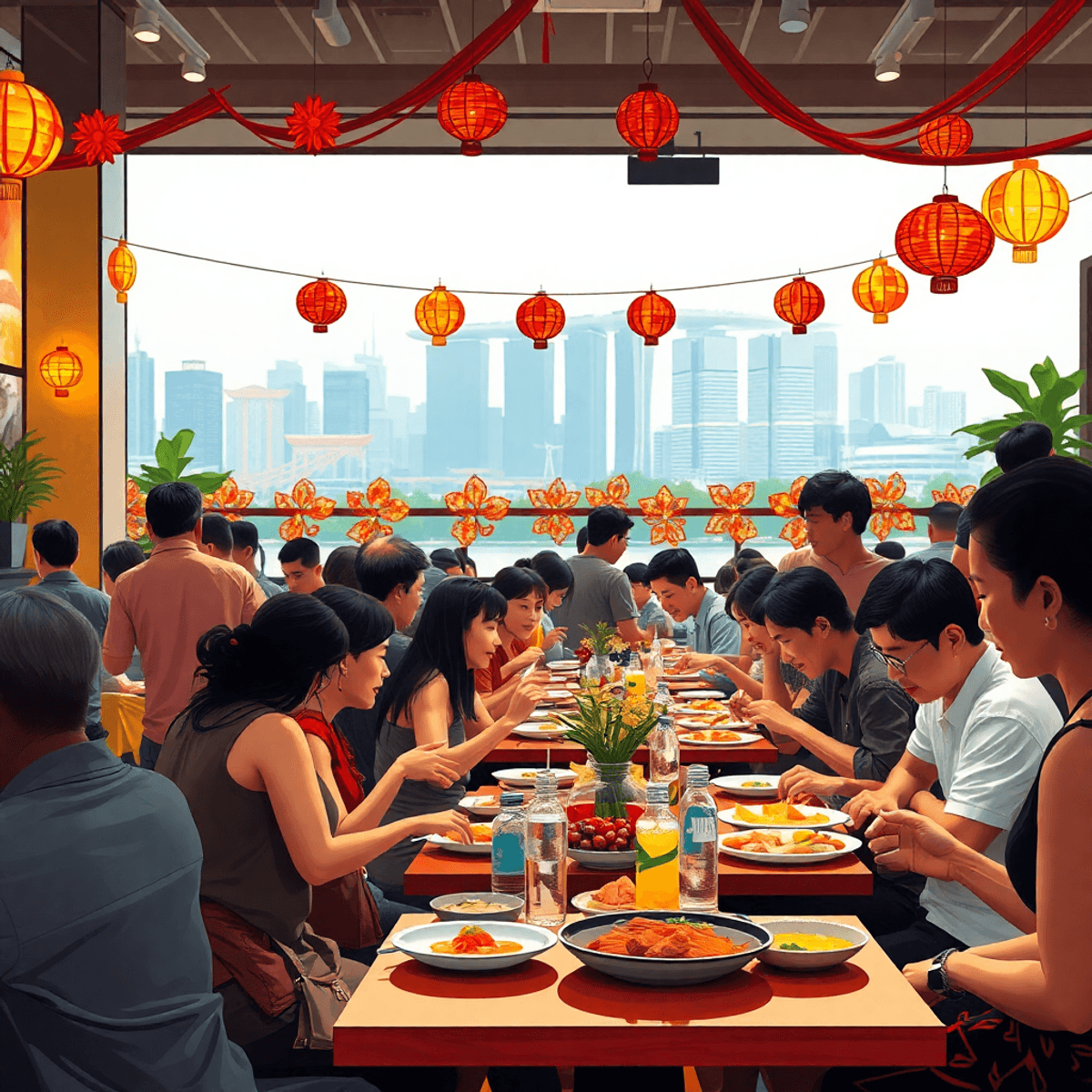
Public holidays in Singapore play a significant role in shaping the dynamics of the restaurant and F&B industry. Customers often choose to dine out or order in during festive seasons and long weekends, creating spikes in demand that directly influence daily operations.
Understanding Singapore public holidays 2026 is essential for effective workforce management. These holidays affect everything from customer footfall and menu planning to staffing levels and employee scheduling. Restaurants must prepare for fluctuating service demands while balancing the needs of their team members who may request leave or require special arrangements during these periods.
This article serves as a practical guide for restaurant owners, managers, and HR personnel involved in restaurant staffing Singapore. It outlines key public holidays in 2026 relevant to restaurants and provides insights on managing operations smoothly around these dates. By anticipating challenges related to staff availability, legal compliance, and cost control, your business can maintain service quality without compromising employee welfare during busy holiday seasons.
Overview of Singapore Public Holidays in 2026 Relevant to Restaurants
Singapore’s gazetted holidays 2026 consist of 11 key public holidays that have a direct impact on restaurant demand spikes. These holidays often bring increased customer traffic as locals and tourists alike celebrate or take advantage of time off. Familiarity with these dates helps restaurants plan operations, staffing, and inventory efficiently.
List of Singapore gazetted holidays for 2026:
- New Year’s Day – January 1 (Thursday)
- Chinese New Year – February 17-18 (Tuesday-Wednesday)
- Hari Raya Puasa – March 21 (Saturday)*
- Good Friday – April 3 (Friday)
- Labour Day – May 1 (Friday)
- Hari Raya Haji – May 27 (Wednesday)*
- Vesak Day – May 31 (Sunday) + Observed on June 1 (Monday)
- National Day – August 9 (Sunday) + Observed on August 10 (Monday)
- Deepavali – November 8 (Sunday) + Observed on November 9 (Monday)
- Christmas Day – December 25 (Friday)
*Dates for Hari Raya Puasa and Hari Raya Haji depend on lunar calendar sightings and may be officially confirmed closer to the holiday.
Certain holidays fall on weekends but have designated observed weekdays off to compensate for the public holiday falling on a non-working day:
- Vesak Day on Sunday, May 31, with Monday, June 1 as the observed holiday
- National Day on Sunday, August 9, with Monday, August 10 observed
- Deepavali on Sunday, November 8, with Monday, November 9 observed
These observed days create extended breaks or long weekends that typically lead to higher footfall at dining establishments.
Restaurants should note these public holidays because they frequently coincide with festive celebrations or family gatherings that drive up demand for dining out or catering services. The combination of cultural significance and time off work results in busy periods where customer volumes spike.
Planning around these Singapore gazetted holidays in 2026 ensures restaurants can meet increased demand without sacrificing service quality or employee well-being.
Impact of Public Holidays on Restaurant Staffing Needs
Public holidays in Singapore bring a noticeable surge in customer demand, creating distinct challenges in restaurant staffing. The influx of diners during these periods requires restaurants to adjust their workforce dynamically to maintain service quality and operational efficiency.
Key factors influencing restaurant staffing during public holidays:
- Increased footfall during long weekends and major festivals
- Long weekends such as those around National Day (August 9–10) and festive periods like Chinese New Year (February 17–18) see a significant rise in patrons. This surge demands more front-of-house staff for seating, order taking, and customer service, as well as kitchen personnel to handle higher food preparation volumes.
- Balancing sufficient staffing levels with workforce availability
- Employees often request leave or time off around public holidays for personal or religious reasons. Managing these requests while ensuring adequate coverage can be tricky. Restaurants must juggle between honoring leave entitlements and filling shifts to avoid understaffing that could degrade customer experience.
- Anticipating busy periods for optimal scheduling
- Certain public holidays generate predictable spikes in business at specific times of the day or week. Chinese New Year brings peak dining at lunch and dinner on the holiday dates themselves. Hari Raya Puasa and Hari Raya Haji see increased family gatherings that translate into busy weekend service hours. Deepavali creates evening dining surges due to celebratory dinners.
Understanding these patterns helps managers plan shifts proactively, allocate resources efficiently, and reduce last-minute scramble for temporary help.
Restaurant staffing challenges during public holidays often stem from the need to scale operations swiftly while maintaining employee satisfaction. You may need to consider temporary hires, cross-training existing staff for flexible roles, or implementing staggered shifts to cover peak hours without overworking your team.
The ability to forecast labor needs accurately around Singapore's public holidays is crucial not just for meeting demand but also for sustaining smooth operational flow throughout these vibrant periods.
Compliance with Labor Regulations During Public Holidays
Restaurants operating in Singapore must adhere strictly to labor regulations related to public holidays, ensuring fair treatment and proper remuneration for their staff. Understanding these legal requirements is essential for avoiding costly penalties and maintaining a motivated workforce in the F&B sector.
Employee Remuneration on Public Holidays
Under Singapore's Employment Act and Ministry of Manpower guidelines, employees who work on a public holiday are entitled to additional pay or compensatory leave.
Public Holiday Pay Requirements for F&B Businesses
- Employees must receive their usual daily wage plus an extra day's salary if they work on a public holiday.
- If the employee does not work on the public holiday, they are still entitled to be paid for that day, provided it falls on a normal rest day.
- For part-time employees or those with variable hours, pay is calculated based on average daily earnings over the preceding month.
Substitute Holidays (Lieu Days)
- If a public holiday falls on an employee's rest day and they do not work, the employer must grant a substitute day off within 14 days after the public holiday.
- This ensures that employees still receive their entitled rest even when public holidays coincide with their days off.
Employee Leave and Scheduling Considerations
Public holidays affect scheduling by reducing available working days while increasing demand. Labor regulations require careful management of employee leave during these periods:
- Employees cannot be forced to work on a public holiday without consent.
- Leave requests surrounding public holidays are common; restaurants should establish clear policies balancing operational needs and employee rights.
- Employers must factor in statutory leave entitlements when drafting rosters, especially during clustered holidays or long weekends.
Consequences of Non-Compliance
Failing to comply with labor regulations can lead to significant repercussions for restaurants:
- The Ministry of Manpower may issue fines or prosecute businesses breaching public holiday pay requirements for restaurant jobs.
- Non-compliance damages employer reputation, making it harder to retain skilled staff in a competitive industry.
- Legal disputes increase administrative burden and divert focus from core operations during critical peak seasons.
"Employers who contravene employment laws risk financial penalties and loss of goodwill among employees."
Adhering to labor regulations safeguards your business against these risks while promoting fair workplace practices. Proper understanding allows you to schedule staff effectively around busy periods without violating statutory obligations.
Strategies for Effective Staff Scheduling Around Public Holidays
Staff scheduling strategies for restaurants during festive seasons require a delicate balance between meeting heightened business demands and respecting employee welfare. Fair management of leave requests, flexible rostering, and tactical use of part-time or staggered shifts are essential components.
Accommodating Employee Leave Requests Fairly
- Establish transparent leave policies early: Communicate holiday leave procedures well in advance, enabling staff to plan accordingly. Clear guidelines reduce conflicts and enhance trust.
- Implement a first-come, first-served system with fairness checks: While early requests get priority, rotate holiday privileges annually to avoid favoritism.
- Consider cultural and family needs: Recognize significant festivals such as Chinese New Year or Hari Raya Puasa that may require specific staff members to observe traditions.
- Use digital leave management tools: Automating leave approvals helps track overlaps and avoid understaffing during peak periods.
Creating Flexible Rosters That Meet Business and Employee Needs
- Design rosters with built-in flexibility: Allow shift swaps or flexible start times to accommodate personal commitments without compromising coverage.
- Incorporate buffer shifts: Assign backup employees who can be called in during unexpected surges or absences.
- Balance workload evenly: Spread busy shifts fairly among staff to prevent burnout and maintain morale.
- Plan for extended hours cautiously: Some public holidays may require longer operating hours; schedule accordingly without overburdening employees.
Utilizing Staggered Shifts and Part-Time Hires
- Staggered shifts optimize peak coverage: Spread employee start and end times to cover lunch and dinner rushes efficiently while minimizing downtime.
Example: A lunch shift from 11am–3pm followed by a dinner shift from 5pm–10pm with separate teams ensures constant service quality.
- Part-time hires provide scalability: Temporary workers can fill gaps during high-demand days without long-term commitments. This approach manages costs while maintaining service standards.
- Cross-train staff for multiple roles: Flexibility in job functions allows smoother adaptations when schedules change or unexpected absences occur.
- Use predictive data for staffing needs: Analyze past holiday traffic trends to forecast required manpower accurately, preventing both overstaffing and understaffing.
Executing these strategies requires active communication between management and staff, continuous monitoring of operational needs, and readiness to adjust plans dynamically as the holiday season unfolds. Such preparation ensures your restaurant remains agile, efficient, and customer-focused throughout Singapore’s busy public holidays in 2026.
Leveraging Technology for Payroll and HR Management During Holidays
Managing payroll and HR tasks during Singapore’s public holidays in 2026 can become complex, especially when dealing with variable pay rates, compensatory offs, and fluctuating workforce availability. Automated payroll systems for restaurants' holiday workforce management offer a practical solution to these challenges.
Key benefits of automated HR and payroll systems include:
- Accurate holiday pay calculations: These systems automatically apply the correct multipliers and rules for work done on public holidays. This eliminates manual errors when calculating enhanced rates or overtime pay.
- Integrated attendance monitoring: Real-time tracking of employee clock-ins and clock-outs ensures precise recording of hours worked during holidays. This data feeds directly into payroll processing without double handling.
- Streamlined leave management: Employees can submit leave requests online, while managers gain visibility to approve or adjust staffing levels efficiently. The system tracks public holiday entitlements and substitutes, avoiding scheduling conflicts.
- Comprehensive payroll integration: Automating the entire cycle from attendance to final payout reduces administrative workload and speeds up salary disbursements, even during peak festive periods.
Examples of practical technology applications during holiday seasons:
- A restaurant uses an automated system that flags any discrepancies between scheduled holiday shifts and actual attendance, allowing quick adjustments before payroll submission.
- Leave balances are updated instantly after every approved public holiday leave, helping managers avoid overbooking staff or unexpected shortages.
- Payroll reports generated by the software detail all public holiday premiums paid, simplifying compliance audits by government agencies.
Such technological tools reduce the risk of costly mistakes related to labor regulations while freeing up management time to focus on operational priorities like customer service and inventory control. They provide a centralized platform where attendance, leave, and payroll data converge seamlessly—critical when handling multiple holidays concentrated in a single quarter.
Implementing automated payroll systems tailored for restaurants' holiday workforce management is an investment that pays dividends by ensuring accuracy, transparency, and efficiency throughout Singapore’s busy public holiday calendar.
Cost Management Considerations for Restaurants During Public Holidays
Public holidays bring increased customer traffic, but they also come with higher operational costs. Understanding the financial impact of holiday wage premiums and compensatory offs is crucial for effective cost control strategies for F&B businesses amidst holiday wage premiums.
Key financial factors to consider:
- Enhanced pay rates: Employees working on public holidays in Singapore are entitled to additional compensation—typically 1.5 times their hourly rate—on top of their usual salary. This premium applies to restaurant jobs scheduled on these days and can significantly increase labor expenses.
- Compensatory offs: If employees do not work on a public holiday, they must receive a paid day off within 14 days before or after the holiday. Managing these substitute leave days affects scheduling flexibility and payroll budgeting.
- Overtime costs: Extended operating hours during festive periods often lead to overtime payments, further inflating labor costs.
Balancing these increased labor expenses against the potential revenue boost from higher customer volumes is essential. Large crowds during Chinese New Year, Deepavali, or National Day celebrations generate opportunities for greater sales but require careful financial planning.
Effective budgeting tips include:
- Forecast holiday sales: Use historical data from previous years’ public holidays to project expected revenue spikes. This helps set realistic staffing budgets aligned with anticipated income.
- Analyze labor cost ratios: Maintain close tracking of labor costs as a percentage of sales during holiday periods to ensure profitability isn’t compromised by overspending on wages.
- Plan staggered staffing: Schedule peak shifts carefully, avoiding overstaffing during slower hours even within holiday dates to optimize staff utilization.
- Negotiate flexible contracts: Consider hiring part-time or temporary staff specifically for high-demand periods instead of increasing full-time hours subject to wage premiums.
- Set aside cash reserves: Allocate funds well in advance to cover the increased payroll burden during public holidays, preventing cash flow issues that could disrupt operations.
Managing restaurant jobs around public holidays demands a strategic approach that secures sufficient manpower while keeping costs under control. Being proactive with budgeting and understanding legal wage obligations helps maintain financial health without sacrificing service quality or employee satisfaction.
Capitalizing on Business Opportunities During Long Weekends and Festivals
Public holidays and long weekends open up significant opportunities for restaurants to boost revenue and customer engagement. Targeted marketing strategies restaurants can adopt to attract customers during public holidays can make a notable difference in footfall and sales.
Planning Promotions and Special Menus
Crafting promotions or special menus tailored to each public holiday creates an appealing reason for customers to choose your restaurant. Consider these approaches:
- Festive-themed menus: Develop items inspired by the holiday’s cultural or seasonal elements, such as traditional Chinese New Year dishes or Hari Raya specials.
- Limited-time offers: Introduce discounts or bundle deals that are only available during the holiday period, encouraging urgency.
- Family or group packages: Public holidays often involve gatherings; offering value meals for larger groups taps into this behavior.
- Early bird or off-peak specials: Encourage visits at less busy times to spread demand and improve table turnover.
Collaborating with Delivery Platforms and Event Organizers
Partnerships can extend your restaurant’s reach beyond physical premises:
- Delivery platforms: Tie-ups with GrabFood, Foodpanda, or Deliveroo help capture customers who prefer dining at home during holidays. Exclusive platform promotions can increase order volume.
- Event organizers: Festivals and community events create natural traffic spikes. Participating as food vendors or sponsors raises brand visibility among attendees.
- Cross-promotions: Joint campaigns with local businesses or event hosts can widen audience exposure through shared marketing channels.
Enhancing Customer Experience with Themed Events and Operating Hours
Elevating the ambiance and convenience encourages longer stays and repeat visits:
- Themed decorations and entertainment: Align décor, music, and staff uniforms with the holiday theme to create a festive atmosphere that resonates emotionally with diners.
- Extended operating hours: Staying open later on key dates captures late-night crowds or those celebrating after events.
- Interactive experiences: Cooking demonstrations, live performances, or meet-and-greet sessions linked to the holiday can differentiate your restaurant from competitors.
- Loyalty rewards during holidays: Offering bonus points or exclusive gifts for visits on public holidays incentivizes customer loyalty.
Marketing strategies restaurants can adopt to attract customers during public holidays revolve around creating meaningful connections through timely offers, strategic partnerships, and memorable experiences. These initiatives not only drive sales but also build lasting customer relationships that benefit business beyond the festive season.
Conclusion
Proactive restaurant holiday planning in advance is essential to unlock the full potential of public holidays and festive seasons. These periods bring unique opportunities for increased customer traffic but also demand careful management of staffing, operations, and costs.
You can:
- Prepare your workforce by anticipating higher demand and balancing employee availability.
- Ensure compliance with labor laws to avoid costly penalties and maintain staff morale.
- Use flexible scheduling and technology tools to simplify payroll and HR tasks.
- Develop creative promotions and partnerships that attract customers during peak times.
Taking these steps helps maintain smooth restaurant operations while maximizing profitability. Restaurant owners and managers armed with practical strategies will navigate the challenges of public holidays confidently, transforming busy periods into successful business milestones.
Consider the impact on restaurant jobs as well—fair scheduling and respectful leave policies enhance employee satisfaction and retention, which directly benefits service quality during critical times.
Embrace planning as a continuous practice, not just a seasonal effort, to keep your restaurant resilient and ready for every holiday surge.